

Learn More
Co-Occurring Disorder in Veterans & Active Duty
Serving your country changes the way you see the world—and sometimes the way your brain and body respond to it. For many active-duty service members, Guard/Reserve personnel, and Veterans, mental health challenges don’t show up one at a time. Conditions like PTSD, depression, anxiety, and substance use often overlap, feeding into each other and making life feel unmanageable.
At Hope Valley Health & Wellness, we specialize in treating co-occurring disorders for the military and Veteran community. Our goal is simple: help you untangle what’s going on, treat all of it at the same time, and support you in building a life that actually feels worth living.
What Are Co-Occurring Disorders?
Co-occurring disorders (sometimes called “dual diagnosis”) means someone is dealing with more than one mental health or substance use condition at the same time. For military members and Veterans, this often looks like:
- PTSD and alcohol or drug use
- Depression and chronic pain
- Anxiety and prescription medication misuse
- Traumatic brain injury (TBI) with mood swings or anger
- Moral injury alongside substance use or self-destructive behavior
These conditions can mask each other. For example, drinking may look like “just blowing off steam” when it’s really being used to numb nightmares, panic, or grief. Treating only the surface issue—like the drinking—without addressing the PTSD or depression underneath rarely leads to lasting change.
Co-occurring disorders are common in service members and Veterans because:
- Exposure to combat, MST (military sexual trauma), and other trauma can lead to PTSD, anxiety, and depression.
- Sleep problems, pain, and TBI can change mood, focus, and impulse control.
- Alcohol or drugs may seem like the fastest way to get to sleep, turn off memories, or feel “normal” for a while.
- The culture of “suck it up” and “handle your own stuff” makes it easy to minimize symptoms or hide them.
When these issues stack up, they can affect relationships, careers, finances, and physical health. The good news: with the right support, they are treatable—together.
- Using alcohol or drugs to fall asleep, calm down, or “shut off” your mind
- Feeling on edge, angry, or numb most of the time
- Nightmares, flashbacks, or avoiding places that remind you of deployments or trauma
- Sudden mood swings, hopelessness, or thoughts that life isn’t worth it
- Trouble with memory, concentration, or following through on tasks
- Pulling away from family, friends, or activities you once enjoyed
- Legal problems, DUIs, fights, or issues at work or drill connected to drinking or drug use
If you see yourself in several of these, you may be dealing with co-occurring PTSD, depression, anxiety, and substance use-and you’re not alone.
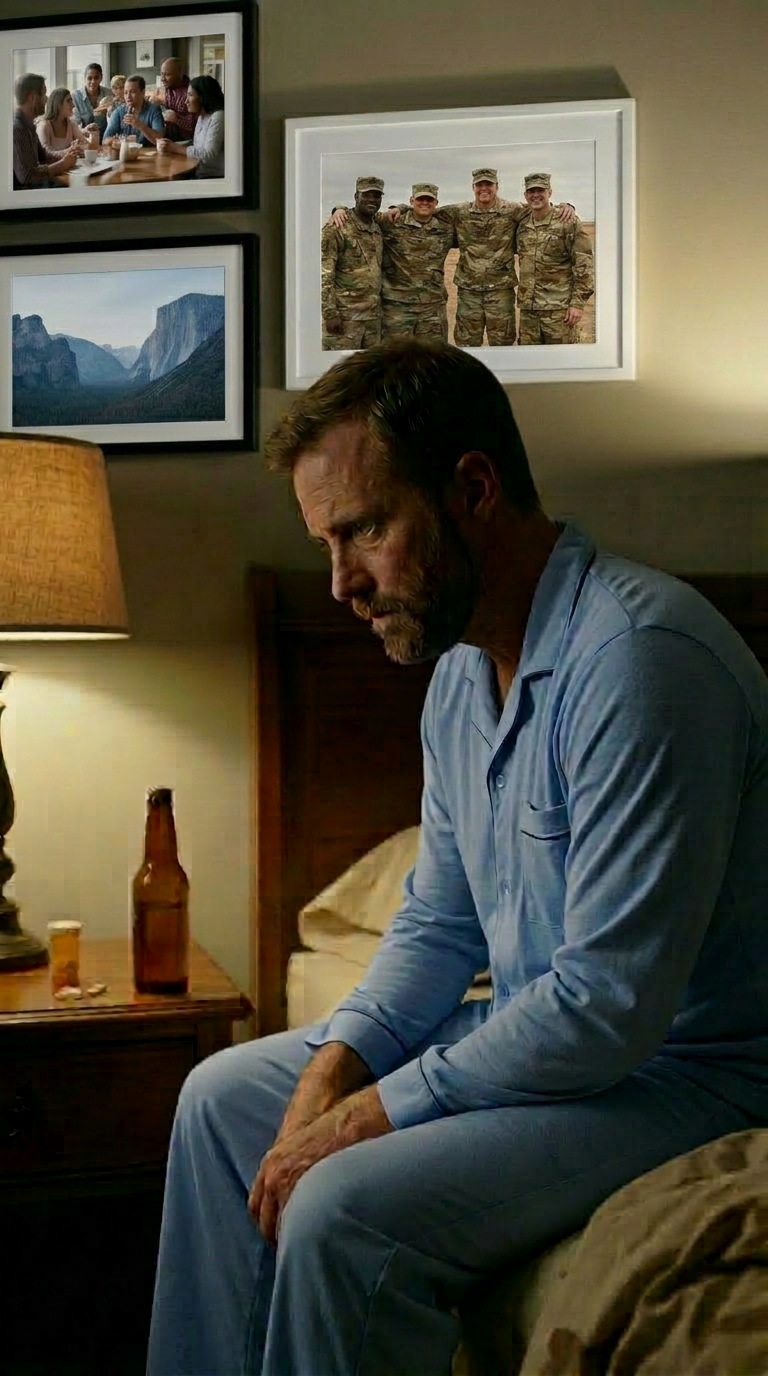
Why Co-Occurring Disorders Are Common in Military and Veteran Life
Military service demands strength, endurance, and the ability to push through fear and exhaustion. Those same traits can make it hard to slow down and notice when something is wrong—or to ask for help when it is.
Co-occurring disorders are common in service members and Veterans because:
- Exposure to combat, MST (military sexual trauma), and other trauma can lead to PTSD, anxiety, and depression.
- Sleep problems, pain, and TBI can change mood, focus, and impulse control.
- Alcohol or drugs may seem like the fastest way to get to sleep, turn off memories, or feel “normal” for a while.
- The culture of “suck it up” and “handle your own stuff” makes it easy to minimize symptoms or hide them.
When these issues stack up, they can affect relationships, careers, finances, and physical health. The good news: with the right support, they are treatable—together.
Welcome to Hope Valley
Seeking Help for Co-Occurring Disorder -
Recovery from co-occurring disorders isn’t a quick fix – it’s a process. We help you plan for life beyond the first phase of treatment so you can stay steady over time.
Your long-term plan may include:
- Ongoing individual therapy at a frequency that fits your stability and schedule
- Support or alumni groups with others who have served
- Relapse prevention strategies tailored to your specific triggers and environment
- Coordination with VA or community resources for housing, work, financial, or legal support if needed
The goal is not just “getting through” but building a life where you feel connected, capable, and in control.
Starting Your Journey
Our Integrated Approach for Military and Veterans
At Hope Valley Health & Wellness, we don’t treat your PTSD in one place and your substance use in another. We treat you as a whole person. That means one coordinated plan that addresses every issue at the same time.
Key parts of our integrated approach include:
- Comprehensive assessment: We look at mental health, substance use, physical health, TBI history, sleep, pain, and military experiences to understand the full picture.
- Military-informed care: Our team understands deployment cycles, unit culture, rank structure, and the impacts of combat and MST, so you don’t have to translate your story.
- Evidence-based therapies: We use approaches like CBT, trauma-focused therapies (including ART), and relapse prevention strategies designed for co-occurring disorders.
- Medication management: When appropriate, we use medications that support both mood and recovery, with careful attention to safety and side effects.
- Coordination of care: We can collaborate – with your consent – with VA, DoD, or other providers to keep everyone on the same page.
You won’t be asked to “fix” the drinking first and then “come back for PTSD later.” We address the root causes and the unhealthy coping at the same time.
We Are Here to Help
Jumpstart Your Recovery Today
Hope Valley’s addiction recovery programs have helped thousands of individuals recover from substance abuse for almost 40 years. Start your recovery process with us.
