
Built for those who served
Treatment Services at Hope Valley Health & Wellness
Mental Health Disorders
Depression, Anxiety, Co-occurring disorders, PTSD, and combat trauma
Substance Use Disorders
Alcohol use disorder, Drug addiction, Opiates and opioids, Benzodiazepines
Why Choose Us
The Hope Valley Difference
Our unique curriculum incorporates teachings of TJ Woodward’s Conscious Recovery as well as Dr. Stephanie Covington’s trauma-informed and gender-responsive programs.
- NAATP, & CARF Accredited
- Licensed & Masters Level Therapists
- Separate Men’s & Women’s Programs
- Lifetime Aftercare Support
- Trauma Informed Therapy Including A.R.T.
- Evidence-Based Therapies
- Content review by our Clinical Director
Drug addiction is a chronic condition that is not due to a character flaw or a lack of willpower. Many Veterans find that what started as a way to treat the pain of an injury, to manage the symptoms of PTSD, or to deal with the stresses of deployment eventually became an addiction to that substance.
Relapse is a possibility for those in recovery from drug addiction. However, relapse does not mean that the treatment plan was ineffective. Instead, it means that there needs to be a change in the treatment plan. Hope Valley treats drug addiction in the same way that it treats any other chronic condition: with a treatment plan that is individualized to each patient and that changes as that patient changes.
Hope Valley is a residential program. Our clients live on site in small Veteran-only homes while they go through drug addiction rehab, and that matters because the structure of the day, the people around the dinner table, and the absence of old triggers are part of how recovery takes hold. We do not offer outpatient, partial hospitalization (PHP) or intensive outpatient (IOP) programming at this moment. Residential care is what we do, and we built the program around doing it well.
Treatment plans are tailored to each Veteran and built around evidence-based therapies, including Accelerated Resolution Therapy (ART) for trauma, Seeking Safety for trauma and substance use, the Helping Men Recover and Helping Women Recover curricula, Contingency Management, and Medication-Assisted Treatment (MAT) where it is clinically appropriate.
Most drugs of abuse hijack the brain's dopamine system, the same circuitry that normally rewards eating, exercise and connection. The drug delivers a much bigger surge than anything natural can, and the brain takes notes. Over time, it dials back its own reward response, which is why people need more of the substance to feel the same effect and why ordinary pleasures start to feel flat.
This is also why willpower alone so often fails. The wiring has literally changed. Good treatment helps the brain recover its baseline and gives the person new tools to feel something other than numbness or craving.
Addiction is not cured in the way a broken bone heals, but it is absolutely treatable, and many people go on to live full, sober lives for decades. The strongest outcomes happen when medication, behavioral therapy and a real recovery community are combined and when treatment takes the whole person into account, including any co-occurring mental health conditions.
Hope Valley's residential program is designed exactly for that combination, with the added piece that you are doing the work alongside other Veterans who get it.
- Alcohol
- Fentanyl
- Heroin
- Oxycodone (OxyContin)
- Hydrocodone (Vicodin, Norco)
- Hydromorphone (Dilaudid)
- Meperidine (Demerol)
- Methadone
- Tramadol
- Cocaine
- Methamphetamine
- Marijuana
- Xanax (alprazolam)
- Klonopin (clonazepam)
- Ativan (lorazepam)
- Valium (diazepam)
- Adderall (dextroamphetamine)
- Ritalin (methylphenidate)
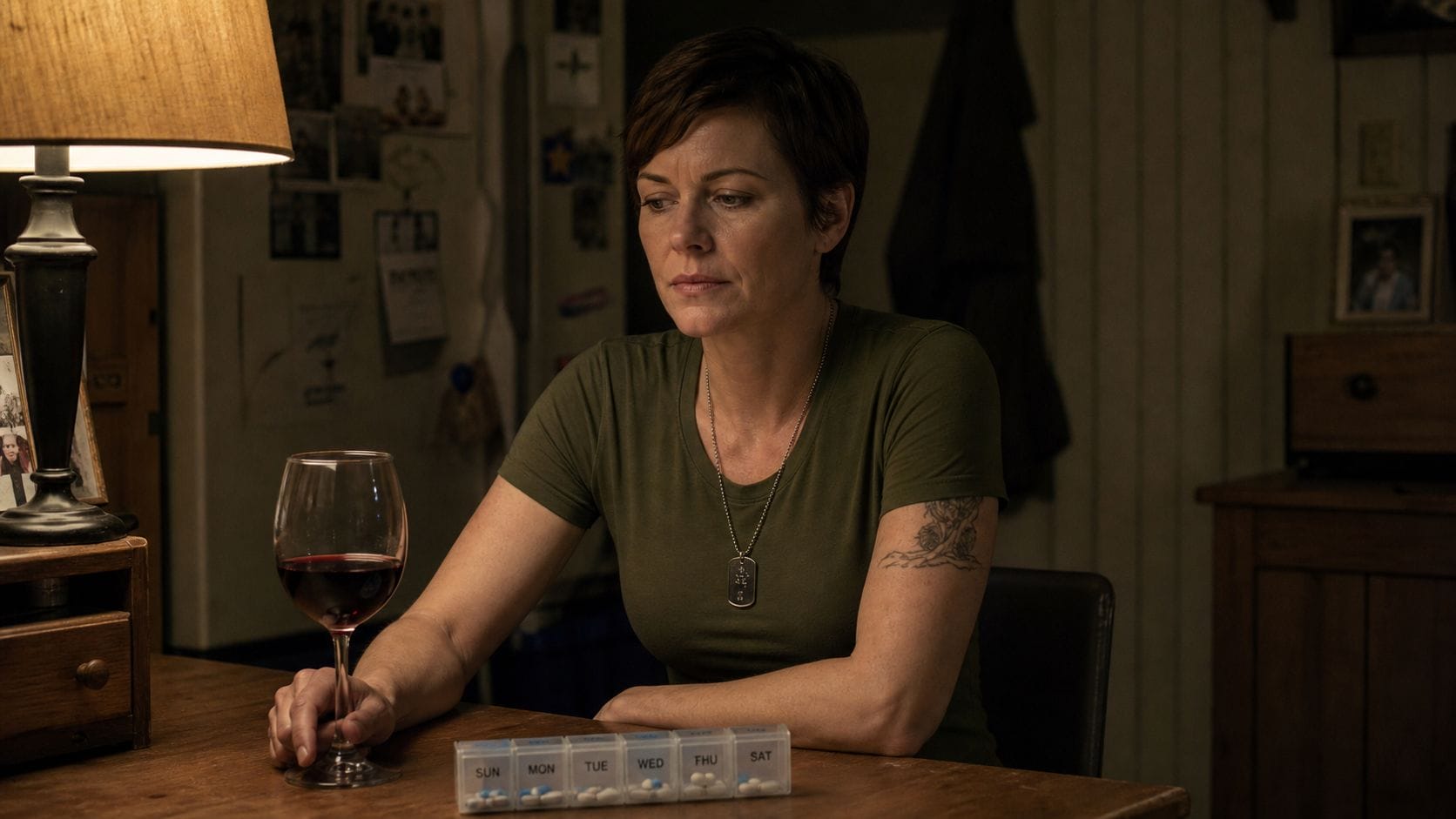
Alcohol use disorder is not defined by a rough night with alcohol. It is defined by the things that alcohol use begins to cost you: your health, your sleep, your relationships, and the trust of the people that are closest to you. For many Veterans and members of the military, alcohol becomes the easiest way to cover up the effects of combat, deployment, or moral injury. It works for a while. Then it stops working. Then it starts taking.
If family, friends or fellow service members have already mentioned your drinking, it is worth listening to them. White-knuckling through it alone will not work, as the weight of the issue has not been touched. The right level of care is what will change the trajectory of an individual with alcoholism.
Opiate and opioid addiction has hit the Veteran community harder than most other communities around the United States. Many Veterans encountered these medications legitimately during their time in the service due to combat-related injuries, surgeries, or the wear and tear on their bodies that come with the job. These medications killed the pain that these individuals experienced and created a sense of calm for Veterans that they found difficult to walk away from over time.
Although the use of these medications may have started with a prescription for many Veterans, the resulting addiction is just as real and just as treatable as any other form of substance abuse. Hope Valley's residential program tackles the addiction to opioids at its root. The program uses Accelerated Resolution Therapy (ART) for the trauma that often underlies opioid addiction, as well as medication-assisted treatment (MAT) where it is appropriate from a clinical standpoint.
Benzodiazepines are a class of central nervous system depressants used to treat a variety of issues related to the central nervous system, including anxiety, panic and sleep problems. The most common benzodiazepines include alprazolam (Xanax), diazepam (Valium), clonazepam (Klonopin), lorazepam (Ativan) and triazolam (Halcion). For Veterans with conditions such as PTSD, hyperarousal or chronic sleep loss, benzodiazepines can feel like the only medication that allows their bodies to finally power down from the stresses of their day.
However, benzodiazepines are among the most physically dangerous medications to discontinue use without medical supervision. Symptoms of benzo withdrawal can include seizures, which makes it extremely dangerous to attempt to discontinue these medications at home. Additionally, benzodiazepines can interact with other substances such as alcohol and opioids to increase the risk of overdose, another reason why these medications should be taken in a structured and medically informed setting.
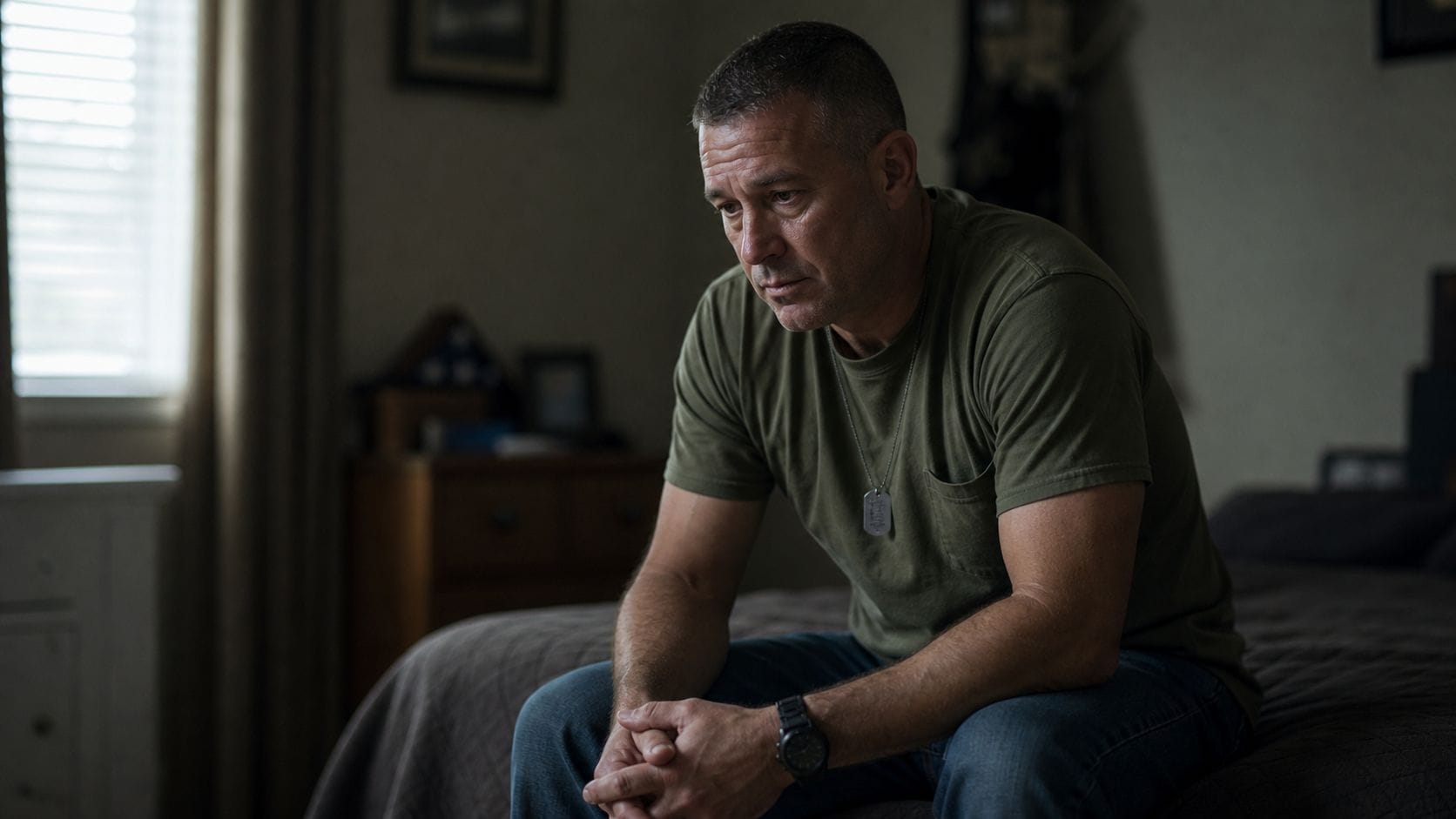
Depression is much more than just feeling down for a day or two. Those who suffer from depression experience feelings of heaviness, worthlessness, and numbness that last for extended periods of time. These feelings negatively impact the ability of those individuals to perform certain tasks in their day-to-day lives. Individuals with depression often have issues with sleep, appetite, concentrating on tasks, and feeling motivated to perform the tasks necessary to live a fulfilling life. Additionally, the relationships between those individuals and the people around them often begin to fray due to these issues.
Moreover, many Veterans experience additional challenges that make it even more likely for them to experience depression. Challenges such as loss of purpose after separating from the military, survivor’s guilt, untreated trauma from their time in the military, chronic pain, and the disorientation of adjusting to civilian life after serving in the military all contribute to their potential to experience depression. Approximately 16 million American adults experience major depression each year, and Veterans are a portion of the population that experiences more major depression than the average American adult. There are treatments that are effective for those suffering from depression, and our depression treatment program was developed with Veteran experience in mind.
A certain amount of anxiety is healthy. It is the system that keeps people alert in genuinely dangerous situations, and for those who have served in combat or other high-tempo environments, it is a system that has been trained to run hot for very good reason.
However, the trouble starts when the threat detector never truly switches off. Even when the threat is no longer present, the body continues to respond as if something is about to happen, which over time, can drain individuals of their energy, sleep, focus, and their ability to be present with the people who matter most in their lives. Anxiety disorders are the most common mental health conditions in the United States, affecting around 40 million American adults each year, and the rate among Veterans is significantly higher than that of the civilian population.
Posttraumatic stress disorder (PTSD) is a condition that develops after an individual is exposed to an extremely frightening or life-threatening event - whether the individual experienced that event themselves or witnessed it happen to someone else.
For the individuals who have served in the U.S. military, PTSD can be caused by combat, training accidents, military sexual trauma, the death of a battle buddy, or even the stress of multiple deployments. Approximately 30% of the individuals who have served in combat zones will develop PTSD at some point in their lives. Many of those individuals will spend years attempting to work through their PTSD, whether through alcohol, drugs, or other means. However, there is a more effective treatment for PTSD. Our residential PTSD treatment uses Accelerated Resolution Therapy (ART) as well as other forms of trauma treatment to allow Veterans to actually process their experiences instead of simply treating the symptoms of their PTSD.
When a person experiences a substance use disorder and a mental health condition simultaneously, they are said to have a co-occurring disorder. Among Veterans, this combination is more common than not. Trauma, depression, and anxiety are among the mental health conditions that are often present alongside substance use disorders in Veterans.
Built for Veterans, by Veterans
Our Commitment to the Veterans We Serve
We Are Here to Help